Cider Orchards Are Not Just Apple Farms With a Gift Shop

You search for somewhere to spend a Saturday afternoon, maybe pick up some local cider, maybe walk around outside for a bit. You find a listing that says "cider orchard" and you assume it's basically a farm stand with a few bottles on a shelf. Then you show up and realize it's something much more specific than that, and you weren't quite prepared for what to expect. That confusion is more common than you'd think, and it's worth clearing up before you plan your visit.
What a Cider Orchard Actually Is
A cider orchard is a working apple orchard where cider production happens on the same property where the fruit grows. That sounds obvious, but it matters. These are not cideries that buy juice from a supplier and ferment it in a warehouse. The orchard is the source. The trees you see when you drive in are often the same ones producing the apples that end up in the bottle you take home.
Most cider orchards grow multiple apple varieties, and not the ones you'd grab at a grocery store. Bittersweet and bittersharp apples, varieties like Dabinett, Kingston Black, or Yarlington Mill, are common here. They're high in tannins and not particularly pleasant to eat raw. But in a blend, they produce cider with real structure and depth. Walk into one of these places and you'll often see signage explaining which varieties are in a given batch. That kind of transparency is pretty satisfying, honestly.
Cider orchards in Cidery Pal's directory, which has 102+ verified listings with an average rating of 4.7 stars, tend to be smaller operations than commercial cideries. They're often family-owned, sometimes multi-generational. A few have been growing apples for decades before they ever bottled a drop of cider.
One practical thing to know: visiting hours at cider orchards often shift with the season. Harvest runs roughly August through November at most orchards in temperate regions, and that's when you'll get the most out of a visit. Some places close or reduce hours significantly from December through spring. Always check before you go.
How These Places Differ From Cideries and Taprooms
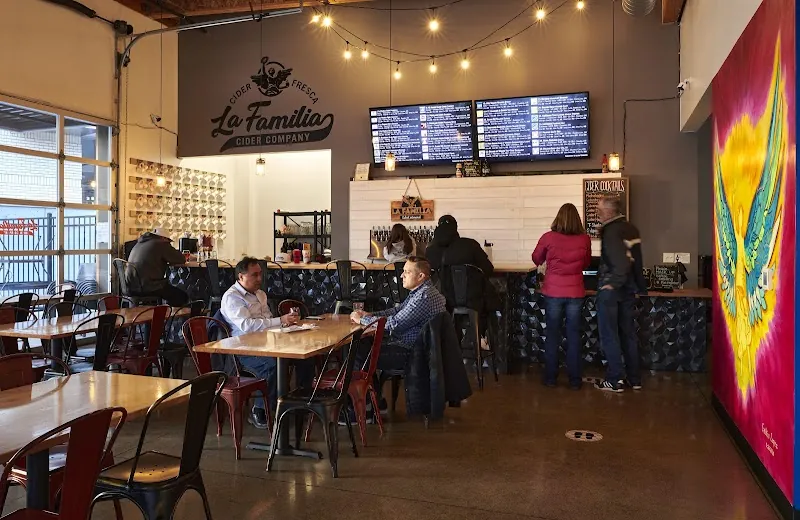
A taproom cidery and a cider orchard can overlap, but they're not the same thing. Taproom cideries are often urban or suburban operations focused on the drinking experience: bar seating, rotating taps, maybe food pairings. They source their apples from elsewhere, and that's fine. Some make excellent cider that way.
Cider orchards do something different. You're on working agricultural land. There may be equipment moving around during harvest. You might be able to walk rows of trees, see pressing equipment, or talk to someone who actually planted the trees you're standing next to. That kind of access is rare and genuinely interesting, even if you're not particularly into farming.
And here's something people don't always expect: the product range at cider orchards is often narrower than at a taproom. These places typically produce fewer SKUs and focus on single-variety or small-batch blends rather than a rotating lineup of 20 options. You won't find a pastry cider or a cherry-lime collaboration here. What you will find is cider that tastes specifically of the land it came from, which is the whole point.
Some cider orchards also sell fresh-pressed juice, dried apple products, or heritage apple varieties for eating. Worth asking about when you visit. These small side products are often not listed anywhere online and you'd only know about them if you asked someone at the counter.
What to Expect When You Visit
Parking at cider orchards is usually informal. Gravel lots, maybe a field with some roping off during busy weekends. Don't expect signage on the level of a regional attraction. You'll often just follow a dirt road and look for other cars.
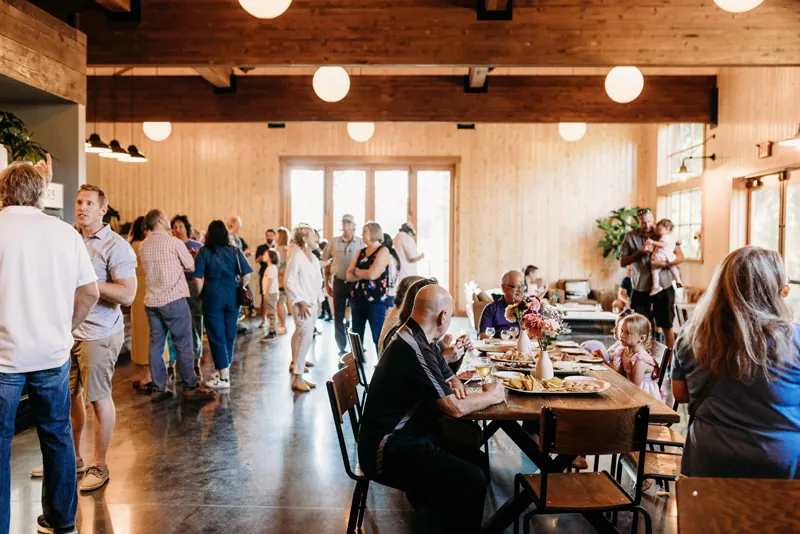
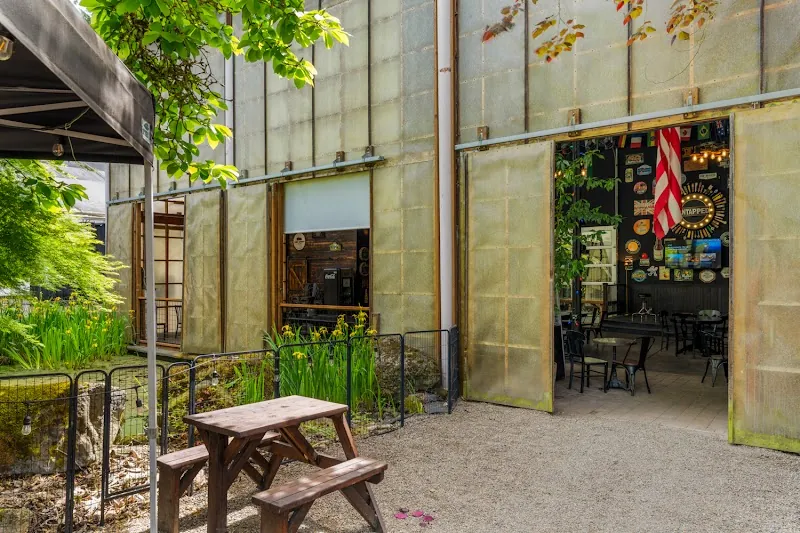
Tasting experiences at these places tend to be low-key. A picnic table, a barn that's been converted, maybe a small indoor space that doubles as a shop. Staff are usually the owners or family members, which means you can ask real questions and get real answers. I would choose that over a scripted tasting flight with a laminated menu every time.
Plan to buy a bottle or two even if you didn't intend to. Most cider orchards do not distribute widely, so what's available on-site is often the only way to get it. Distribution is expensive and complicated for small producers, so many of them just don't bother.
Wait, that's not quite right to leave it there. Some do distribute locally, especially to bottle shops and farm-to-table restaurants in their region. But the selection you'll find at the orchard itself is almost always broader than anything you'd find at a retailer.
Finding the Right Cider Orchard for Your Visit
Not every cider orchard offers public tastings. Some are production-only operations that sell at farmers markets or through a small mailing list. When you're browsing listings on Cidery Pal, look for details about walk-in availability versus appointment-only visits. These places vary quite a bit on that front.
Reviews matter here. A 4.7-star average across the directory is high, but individual orchards can have quirks: limited parking on busy weekends, a tasting room that's only open Friday through Sunday, or seasonal closures that haven't been updated on their website. Reading a few recent reviews will tell you what the actual experience is like, not just what the orchard describes itself as.
If you're going specifically to pick apples or see the orchard, call ahead. Some cider orchards offer u-pick during harvest; many do not. Assuming you can wander the rows without checking first is the most common way people end up disappointed.
Cider orchards reward a little preparation. Know your dates, know whether they're open, and know what you're hoping to get out of the visit. Do that, and you'll almost certainly leave with good cider and a better sense of where it actually comes from.