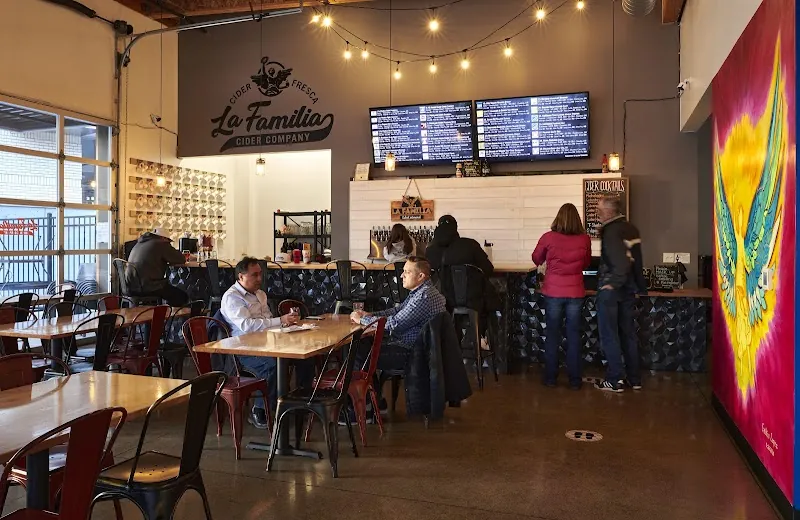
Hard Cider Makers Are Not Just Apple Juice With Attitude

You walk into a place expecting something like a craft brewery, but it smells different. Warmer, somehow. Fruit-forward. There are barrels stacked near the back and someone behind the counter is talking about tannins like it's the most natural conversation in the world. That's a hard cider maker, and it's its own thing entirely.
Myth #1: Hard Cider Makers Are Just Small Breweries That Happen to Make Cider
This one comes up constantly. People assume these places are basically the same operation as a craft beer brewery, just with apples swapped in for hops. Not even close.
Hard cider makers work with fermented fruit juice, almost always apple-based, though pear, cherry, and berry variants are common. There's no brewing involved. No boiling, no grain mashing, no hops. Fermentation happens cold and slow in most cases, and the flavor profile depends entirely on the fruit variety, yeast strain, and whether the maker decides to back-sweeten or let it run completely dry. That's a fundamentally different craft from what's happening at your local IPA spot.
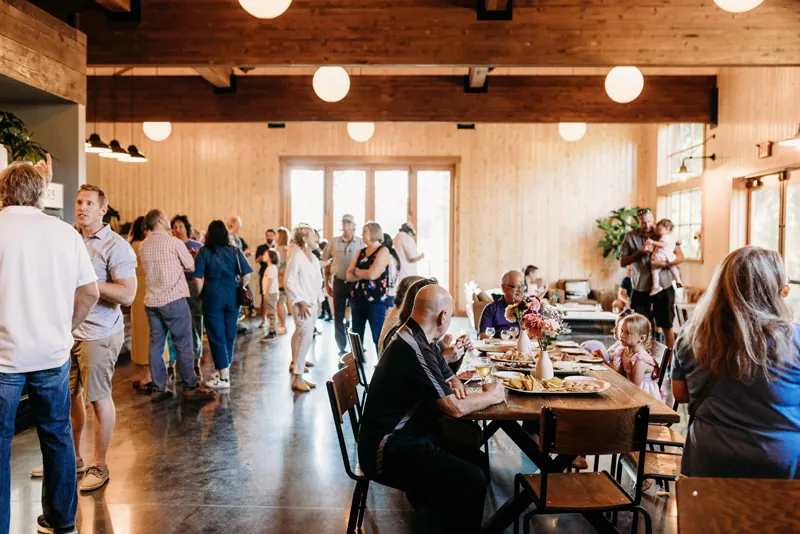
Walking into a hard cider maker for the first time, you'll notice the tasting room tends to feel less industrial than a brewery. Smaller batch sizes, more emphasis on orchard sourcing, and often a lot more conversation about where the apples came from. Some of these places grow their own fruit on-site. Others partner with regional orchards. Either way, the fruit origin matters in a way that grain origin rarely does at a brewery.
If you want to understand what you're tasting, ask about the apple varieties. That's the single most useful question you can ask at any hard cider maker. Bittersweet apples, like Dabinett or Yarlington Mill, produce tannic, complex ciders. Dessert apples, like Honeycrisp, lean sweeter and more approachable. The answer will tell you a lot about what the maker is going for.
Myth #2: All Hard Cider Tastes Sweet and Fizzy
Fair assumption if your only exposure has been the mass-market stuff at a stadium concession stand. But that's like judging wine by the boxed version.
Hard cider makers produce across a wide spectrum. Bone dry ciders with almost no residual sugar. Still ciders with no carbonation whatsoever, closer in texture to a light wine than a sparkling drink. Ice ciders, which are concentrated and intensely sweet in the way a dessert wine is. Barrel-aged ciders that pick up oak, vanilla, or bourbon notes depending on what barrel was used previously. And yes, some makers do produce sweeter, lightly sparkling ciders too. That category exists. But it's one end of a long range, not the whole picture.
Honestly, the dry and still styles tend to pair better with food than most people expect. Hard cider makers often know this and will suggest pairings if you ask.
A practical move: when you visit one of these places, tell whoever's pouring what you usually drink. If you're a dry white wine person, say that. If you like sour beers, say that. A good hard cider maker's tasting room staff can work backwards from your taste preferences and find something that'll land well. You do not need to know anything about cider going in.
Myth #3: Hard Cider Makers Are Hard to Find or Only Exist in Rural Areas
There's a version of this myth that imagines every hard cider maker as a remote orchard you need a GPS and a full tank of gas to reach. Some are like that. But plenty are not.
Cidery Pal has over 102 verified listings across the directory, rated an average of 4.7 stars, and these places are spread across urban neighborhoods, suburban strips, and yes, rural orchard properties too. Hard cider makers have expanded into cities over the last decade in a real way, often setting up tasting rooms in the same neighborhoods where craft breweries and distilleries cluster.
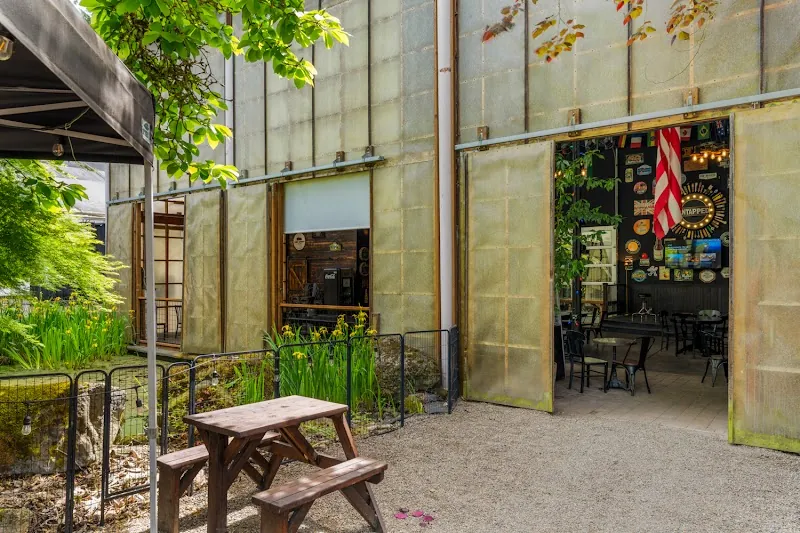
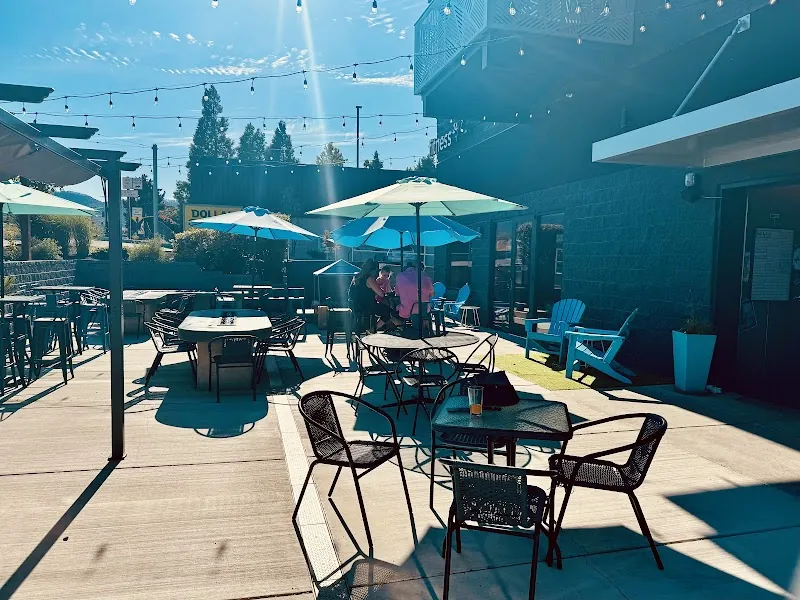
Urban hard cider makers tend to source fruit regionally rather than growing it themselves, and their tasting rooms are often smaller but more polished. Rural ones usually have more outdoor space, sometimes a working orchard you can see from the tasting room, and a production area that's more visible to visitors. Both are worth your time for different reasons.
And here's a detail worth knowing: parking at rural cideries is almost always easy. At urban locations, plan like you would for any city outing. Some are in converted warehouse spaces with street parking only.
Myth #4: Visiting a Hard Cider Maker Is Just Like a Winery Visit
There's overlap, sure. Fermented fruit, tasting flights, someone explaining terroir. But hard cider makers tend to be less formal. Less scripted.
Wineries often run structured tours on a set schedule. Hard cider makers, especially smaller ones, are more likely to let you wander, ask questions at the bar, and have an actual conversation with the person who made what you're drinking. That's not always the case, but it's a noticeable pattern. These places generally have a lower pretension threshold.
Production is also more visible. It's common to see fermentation tanks right behind the tasting counter at a cidery, or to walk past them on the way in. At a winery, the production facility is often separated from the tasting experience. Hard cider makers tend to collapse that distance. You're closer to the process.
Go in without expectations borrowed from a winery visit. Give yourself time to ask questions. Most hard cider makers genuinely want to talk about what they're making, and that conversation is half the point of going.
What This Means For You
Hard cider makers are worth treating as their own category, not a subset of something else you already know. They produce a genuinely different product, in a different way, and the visiting experience reflects that.
Start by reading through listings on Cidery Pal before you go anywhere. Check what styles a given maker specializes in, look at recent reviews for any notes about the tasting room experience, and see whether they offer flights or full pours only. Some places are drop-in friendly. Others prefer reservations, especially on weekends.
Pick one that makes something you're curious about, not just the closest one to your house. I'd pick a cidery with a dry or barrel-aged program over a generic sweet-and-fizzy spot every time, but