Inside a Cider House: What You'll Find, What to Order, and Why It's Not a Brewery

Over 102 verified cider houses are listed on Cidery Pal, and they carry an average rating of 4.7 stars. That is a remarkably high bar for any food and drink category. It also tells you something useful before you even walk through the door: people who visit cider houses tend to leave happy, and they come back.
But if you have never been to one, the whole concept can feel a little fuzzy. Is it like a winery? A brewery taproom? A pub that happens to serve cider? Not exactly. Cider houses are their own thing, and once you understand what makes them tick, you'll find it much easier to pick the right one and know what to expect when you arrive.
What a Cider House Actually Is
A cider house is a producer-focused venue where hard cider is made on site and served directly to visitors. Think of it as the cider equivalent of a winery tasting room, except the fruit in question is usually apples, though pears, cherries, and even quince show up more often than you might expect.
Most cider houses have a working production space somewhere on the property, even if you can't see it from the tasting room. Some offer tours. Others keep the back-of-house strictly off limits and just let the product speak for itself. Either approach is fine, honestly.
Walking into one for the first time, you'll probably notice the smell before anything else. Fermented apple is distinct. It's not unpleasant, it's just specific, somewhere between a cidery sweetness and a faint vinegar edge, and it tends to linger in older wooden buildings especially.
These places usually carry their own house-made ciders on tap, sometimes six to twelve varieties at once, ranging from bone-dry to dessert-sweet. Many also bottle and sell their ciders to take home. A few carry ciders from other regional producers as well, though the focus is almost always on the house product first.
If you're trying to plan your visit, look at the tasting flight options before you go. Most cider houses offer a sampler of four to six small pours for somewhere between eight and fifteen dollars. That's the fastest way to figure out what style you actually like without committing to a full glass of something that turns out to be too tannic for your taste.
How Cider Houses Differ from Breweries and Wineries
People mix these up constantly. Understandable, but the differences matter once you're trying to choose where to spend an afternoon.
Breweries ferment grain. Cider houses ferment fruit. That sounds simple, but it changes everything about the flavor profile, the production process, and frankly the vibe of the place. Cider houses tend to be quieter and a little more relaxed than brewery taprooms, which often skew louder and more sports-bar adjacent. That's not a knock on breweries. It's just a different atmosphere.
Compared to wineries, cider houses are usually less formal. You do not need to know anything about tannin structure or terroir to enjoy yourself. The staff at a good cider house will explain what they're pouring in plain terms, and they won't make you feel like an idiot for asking what "dry" means in the context of cider.
Wait, that's not quite right to say they're always more casual than wineries. Some cider houses, particularly the ones with estate orchards and aged barrel programs, take their product just as seriously as any small winery. But the entry point for a first-time visitor is generally less intimidating.
One practical difference: cider is naturally gluten-free. For people who avoid gluten, a cider house is often a much better option than a brewery. It's worth asking the specific venue about their production practices to confirm, but traditional cider contains no grain at all.
What to Expect Inside
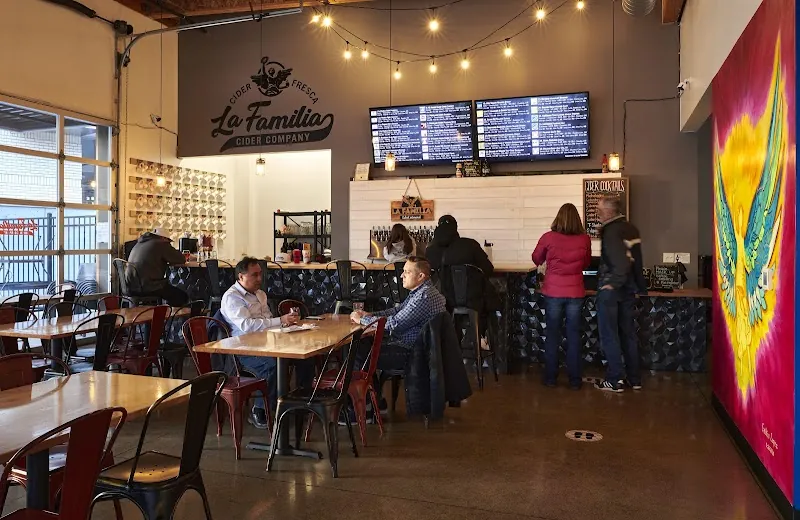
Layout varies a lot. Some cider houses are barn conversions with long communal tables and dogs wandering between them. Others are sleek, urban spots with a proper bar, good lighting, and a short food menu. A few are attached to working orchards, which means you might be sitting outside in September with apple trees twenty feet away. That setting is hard to beat.
Food is not always guaranteed. Some cider houses offer a full kitchen menu. Others stick to charcuterie boards, local cheeses, and maybe a pretzel. A handful have nothing at all and rely on a food truck parked outside on weekends. Check ahead if eating is part of your plan, because showing up hungry with nothing but cider on offer is a real thing that happens.
Merchandise is common. Most cider houses sell branded glassware, six-packs, and sometimes cider-making supplies. Prices for bottles to take home typically run between ten and twenty-five dollars depending on the style and whether it's a single-varietal or a blended product.
And one thing a lot of first-timers don't expect: cider houses are usually excellent for groups with mixed drink preferences. The alcohol content in cider generally runs between four and eight percent, similar to beer, which means it fits comfortably for people who want something lighter than wine but more interesting than a domestic lager.
How to Pick a Good One
Ratings matter, but so does style match. A cider house that specializes in wild-fermented, funky ciders might have a lower average rating simply because that style is polarizing, not because it's a bad place. Read a few reviews and look for language about what the cider actually tastes like, not just whether the staff was friendly.
Location is also worth thinking about. Cider houses attached to orchards often have seasonal hours and may close entirely in winter. Urban cider houses tend to keep more consistent schedules year-round. Check current hours directly before driving forty-five minutes out to find a locked door. It happens more than people expect, especially in the shoulder seasons between fall harvest and spring.
First-time visitors should ask for a recommendation when they arrive. Every cider house has a flagship product they're proud of, and the person pouring will almost always have an opinion about where to start. Starting with their driest offering and working sweeter gives you the clearest sense of the full range, rather than starting sweet and losing your palate for everything after.
Cider houses that have been in operation for more than five years tend to have worked out the kinks in both their product and their service. Newer spots can be excellent, but a place with a track record gives you more to go