What Actually Happens Inside a Cider Tasting Room (And Why It's Nothing Like a Bar)

Over 102 verified cider tasting rooms are listed on Cidery Pal right now, averaging 4.7 stars across the board. That number says something. People are not just showing up out of curiosity; they're coming back, rating these places highly, and telling their friends. So what makes a cider tasting room worth a dedicated visit?
Good question. Let's back up a little.
What a Cider Tasting Room Actually Is
A cider tasting room is the public-facing space attached to, or operated by, a working cidery. It is where the producer invites visitors to try their products directly on-site, usually in a relaxed, informal setting. Not a bar. Not a restaurant. Something closer to a winery tasting room, but with its own distinct personality.
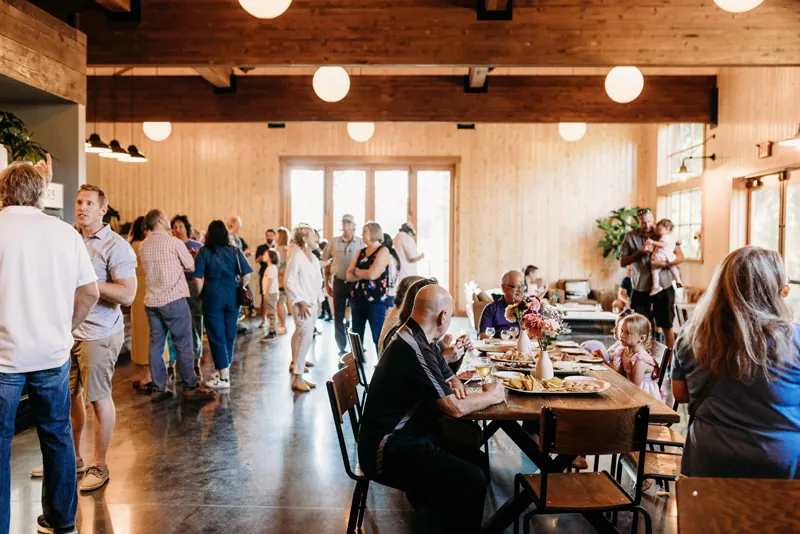
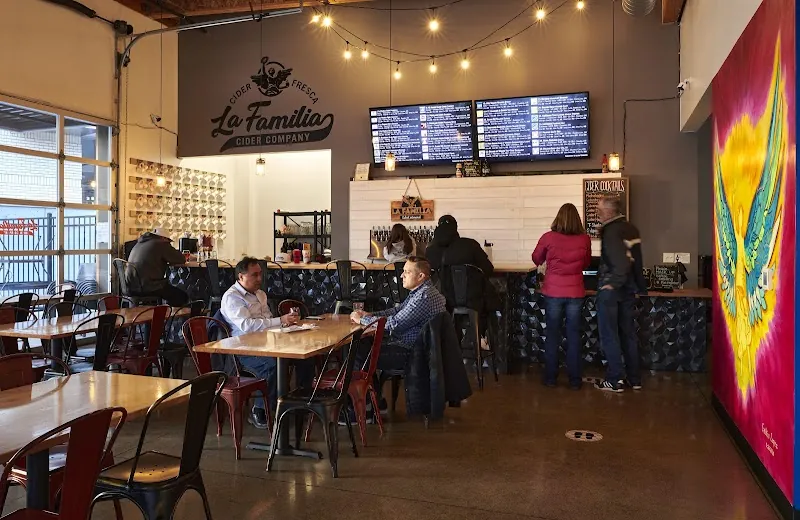
Most are small. You might walk in and find eight to twelve ciders on tap, a few staff members who actually know the production process, and a room that smells faintly of fermented apple. Honestly, that smell alone is worth something.
These places are built around the product itself. Staff can usually tell you what apple varieties went into a specific batch, whether it was fermented cold or warm, and how the flavor differs from last season's version. That level of detail is not something you'll find at a typical bar pouring cider from a can.
Walk into one for the first time and you may feel slightly under-prepared. That's fine. Most cider tasting rooms are set up for curious beginners and seasoned cider fans alike. Flights are common, usually four to six small pours that let you work through a range of styles in one sitting.
What to Expect When You Walk In
Cider tasting rooms vary a lot in format. Some operate by reservation only, especially smaller producers who do not want twenty strangers showing up on a Tuesday. Others keep open hours on weekends and expect walk-ins. Check before you go. Seriously, just check.
Once inside, here's what you'll typically find: a tasting counter or bar, a short menu of current pours, and some kind of pricing structure for flights versus full pours versus bottles to take home. Prices for a flight usually run somewhere between eight and eighteen dollars depending on the region and how many pours you're getting.
Many tasting rooms also sell bottles, cans, and merchandise on-site. A few have small food menus, usually charcuterie boards or snacks designed to pair with cider. Do not expect a full kitchen. That's not what these places are for.
One practical tip: arrive at least 45 minutes before closing. Staff at smaller tasting rooms sometimes begin wrapping up earlier than the posted time, and you do not want to feel rushed through something that deserves a little patience.
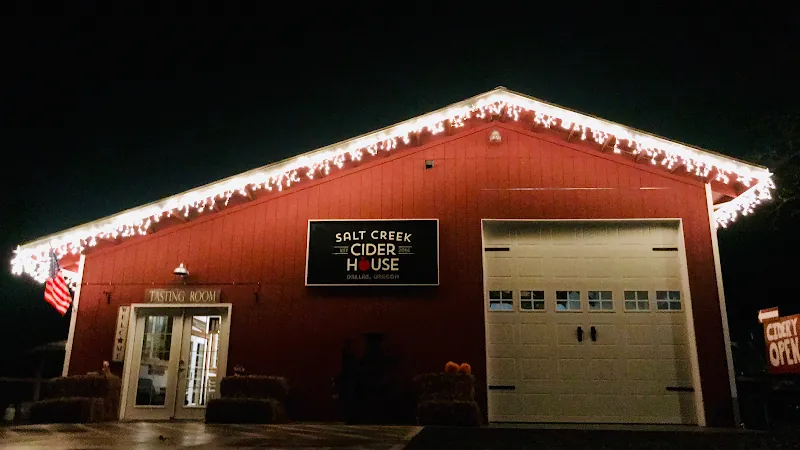
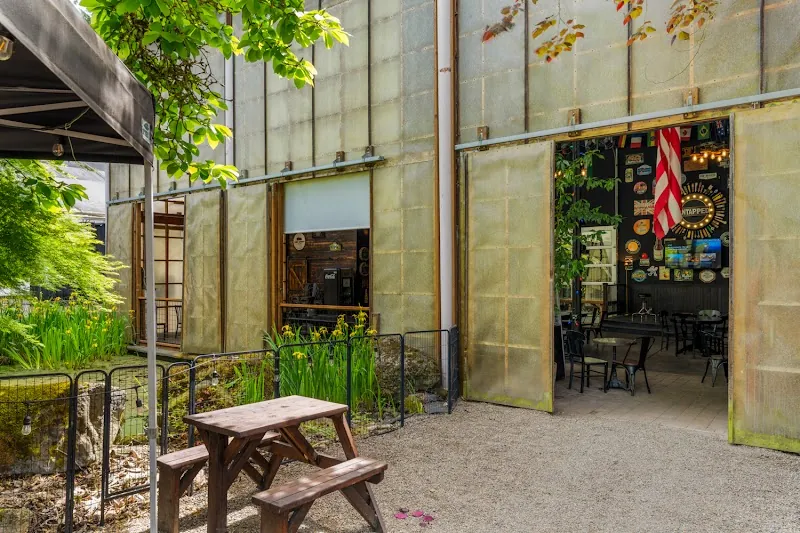
Also, parking. A lot of cider tasting rooms are attached to working production facilities out on the edge of town or in rural areas. Parking is usually fine, sometimes it is a gravel lot next to a barn. Worth knowing in advance if you're driving something low to the ground.
How Cider Tasting Rooms Differ from Brewpubs and Wineries
This is where it gets interesting. Brewpubs are designed around volume and food. They want you to stay for two hours, eat a burger, and order a second round. That model is great for what it is. Cider tasting rooms are built differently.
The focus stays tight. You're there to taste the product and learn about it, not to linger over nachos. The staff tends to be more knowledgeable about production in a hands-on way, because in many cases they are the producers. That conversation about fermentation timelines is not scripted; it's just what they know.
Wineries and cider tasting rooms are probably the closest comparison. Both center on a single fermented product. Both tend toward quieter, more deliberate atmospheres. But cider tasting rooms are often more casual, less formal about glassware and protocol, and more open to people who don't already know the vocabulary. You do not need to swirl and sniff your way through a flight. Just drink it and say what you think.
A hard cider tasting room also tends to move through styles faster than a winery. Seasonal and small-batch releases are common, meaning the menu in October might look nothing like the menu in April. If you find a cider you love, buy a bottle that day. It may not be there next time.
How to Make the Most of a Visit
Start with a flight. Always start with a flight. It gives you a map of the cidery's range before you commit to a full pour of anything.
Ask questions. Staff at cider tasting rooms genuinely want to talk about what they make. Ask about the apples. Ask what "dry" means for that specific cider versus a dry wine. Ask if there's anything not on the current menu that they'd recommend. You'll often get a taste of something that isn't listed.
Bring cash or at least check the payment situation before you go. Some smaller operations are card-only, a few still prefer cash, and you'd rather know that in the parking lot than at the counter.
And if you're visiting with someone who doesn't drink cider, don't worry too much. Most cider tasting rooms have at least one non-alcoholic option, sometimes a house-made shrub or sparkling juice made from the same fruit. They're not trying to exclude anyone.
Cider tasting rooms reward curiosity more than expertise. That's the thing that sets them apart from a lot of other tasting experiences.
Frequently Asked Questions
- Do I need to make a reservation? It depends on the cidery. Smaller producers often require one, especially on weekends. Larger tasting rooms typically accept walk-ins. Check the listing on Cidery Pal before you go.
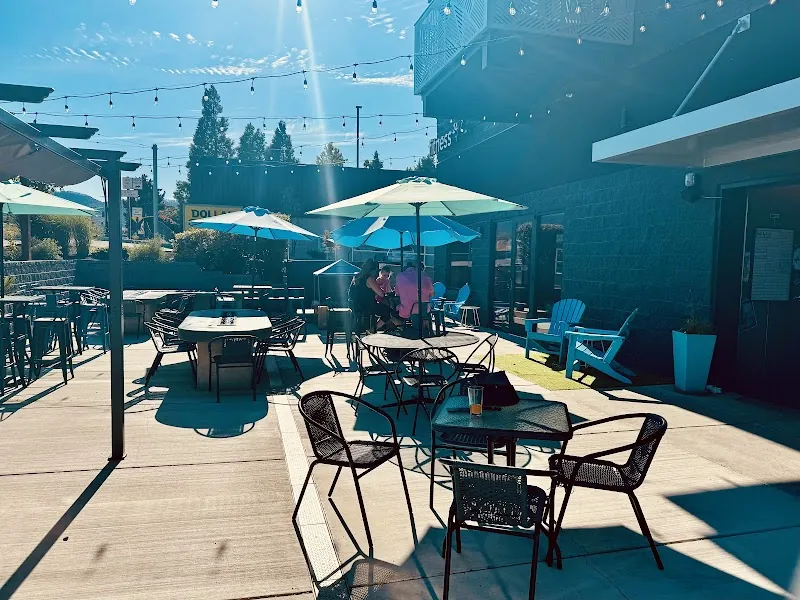
- Can I bring kids or dogs? Many cider tasting rooms are family-friendly and some allow leashed dogs, especially those with outdoor spaces. Policies vary, so confirm directly with the cidery.
- How long does a typical visit take? Most people spend between 45 minutes and 90 minutes. If you're doing a flight and chatting with staff, plan for at least an hour.
- Can I buy bottles to take home?
More Ways to Save